Predation, Mating, and Habitat Balance
This release tightens the food web and long-run balance, with clearer predator labels, visual bite contact, feeding intent, mate matching, juvenile vulnerability, swimmer movement, and more tunable habitat-calibrated food flow.
Tidepool.life — Evolution Simulator
A real-time artificial life evolution simulator where creatures with neural-network brains survive, eat, hunt, scavenge, mate, mutate, and speciate across islands and open water. Design species with 59 genes, alleles, and diploid chromosomes, tune the environment, and watch natural selection unfold. Every run tells a different evolutionary story as bodies and brains adapt together.
Spawn Creature
Create species templates or use God Mode for controlled allele and gene experiments on saved species.
Environment
Control habitat-calibrated food production, colour mix, carcass decay, and scarcity for land and water.
Karyotypes
Edit chromosome structure, gene linkage, and inheritance patterns.
Data Analysis
Population graphs, gene distributions, mutation analysis, species tree, and creature inspection.
What Is Tidepool?
Tidepool is an artificial life simulator that models evolution from the ground up. You seed a population with starter creatures, set the environment, and then step back while natural selection runs in real time.
Each creature has an inherited body shaped by 59 heritable genes and a small evolving brain that guides its behaviour. Creatures forage, avoid danger, find mates, reproduce, and eventually die.
No two runs play out the same way. Lineages may become efficient swimmers, capable walkers, armoured prey, specialised feeders, scavengers, or predators. Others fail to adapt and become extinct. Your role is to shape the environment and observe which strategies evolution discovers.
↑ Back to topThe World - Islands, Water, and Different Habitats
When you start a run, you choose a habitat type and Tidepool generates a large world of water and islands from that template.
Creatures begin in water. Some lineages remain aquatic, while others develop enough support and useful appendages to crawl or walk onto land. Creatures that cannot move on land stay within the water.
Each habitat still varies from run to run, but the chosen type controls the broad structure. Land and water also have separate food supplies and movement styles, creating different niches for creatures to adapt to.
- Water: Suits streamlined bodies, strong tails, and useful fins or flippers. Larger, bulkier, or heavily limbed creatures can still swim, but they usually need more muscle and better shape to move well.
- Land: Early shore movers may slither or crawl. Better-supported, leg-like appendages can lead to stronger walking, hopping, or running, while long tails that once helped movement may later become a burden.
- Islands generate their own food independently of the water food supply, creating separate foraging zones and selection pressure.
Habitat Types
- Archipelago: A cluster of medium islands separated by open water, useful for island dispersal, mixed land-water niches, and comparing walkers with swimmers.
- Single Island: One larger island surrounded by water, creating a clear land-water contrast for testing aquatic lineages against species that can cross onto land.
- Fragmented Islands: Many small islands scattered through water, creating isolated patches where bottlenecks and local adaptation can push populations toward divergence.
- Mainland and Satellites: A large mainland with smaller offshore islands, supporting a stable core population plus satellite pockets for dispersal, founder effects, and edge experiments.
- Open Water: A fully aquatic world with no islands, favoring tails, streamlining, efficient swimming, and green-food water specialists.
- Barrier Islands: A chain of narrow islands across open water, creating shorelines, obstacles, and separated pockets that pressure swimmers and coastal island populations.
Editing Habitats During a Run
- Habitat Edit Mode lets you modify islands during an active simulation. You can add, delete, move, or resize islands, then apply the new layout without starting over.
- The simulation pauses while you edit, and you can toggle creature visibility to see where populations are before placing or removing land.
- Editing habitats is useful for experiments: connect isolated populations with a land bridge, split a species across new islands, remove a safe refuge, create migration pressure, or test how a lineage survives sudden habitat disruption.
- Food and creatures are not redistributed when you apply the layout. Food is reclassified as land or water based on the new terrain, and creatures deal with the physical consequences naturally.
Creature Survival — Energy, Stomach, and Stamina
Every creature is in a constant battle to stay alive. Energy reserve, stomach contents, and stamina govern survival.
Energy reserve is the creature's stored fuel. Staying alive, moving, sensing, thinking, growing, and reproducing all consume it. Food must be digested before it replenishes the reserve, and a creature that reaches zero energy starves.
The stomach holds food while it is digested. Stomach size affects how much can be carried, while plant and meat digestion traits affect how well each diet works. Matching a plant's colour makes digestion faster and more rewarding; unused energy returns to the ecosystem as organic leftovers.
Stamina is the creature's short-term capacity for exertion. Powerful movement spends it quickly, while rest lets it recover. This creates a trade-off between brief bursts of speed and sustained, efficient movement.
- Fat is the main long-term energy store. It helps creatures survive scarcity, but adds weight without directly improving movement or defence.
- Muscle supports force and stamina but is costly to maintain. Burst-oriented muscle favours short surges; endurance muscle favours repeated effort and recovery.
- Larger stomachs help creatures make use of occasional large meals, while stronger digestion helps them gain energy sooner.
- Brains, strong muscles, demanding senses, armour, growth, and reproduction can all improve survival in the right niche, but each also carries an energy or body-space cost.
- Creatures also die of old age. Larger, slower-developing, and more energy-efficient lineages often live longer, but may reproduce later.
Reading Body Composition
- Body Composition shows how the creature's body is divided between armour, structure, muscle, fat, organs, brain, and body fluid.
- All tissues compete for limited body space. Growing larger creates more room, but also increases food needs and the effort required to move.
- Structural tissue is dense frame tissue. It improves body support and toughness, but it does not create movement power by itself.
- Muscle tissue creates force for movement and hunting, adds stamina capacity, and contributes some active bracing. It also adds mass and upkeep.
- Fat tissue is the main long-term energy reserve. It is cheap to maintain, but it adds mass and does not add push or support.
- Organs support digestion, recovery, reproduction, and basic life, but take space and energy to maintain.
- Brain tissue supports more complex decisions and memory. If a creature invests in more tissue than its body can fit, some abilities may be reduced.
- Body support comes mainly from structural tissue, muscle, and useful contact with the ground. Heavy bodies with too little support move poorly, especially on land.
Action Dots — Reading Behaviour at a Glance
When Action Dots are enabled, every creature displays a status indicator. The dot shows the current action, colour-coded by drive. Energy reserve, stomach, digestion, and stamina remain available in the selected creature panel, along with whether mating intent is active.
Food — Colour, Diet, and the Energy Economy
Food comes from plant food that grows in the environment, meat resources left by creature deaths, and organic leftovers returned by digestion waste or reserve overflow. Which source a creature can use depends on its diet genes.
Plant food appears in different sizes and colours on land and in water. Larger pieces contain more energy. All plant colours are edible, but creatures gain energy faster and more efficiently from food close to their own colour.
Carcasses and remains provide temporary meat for scavengers. They gradually decay, so creatures must find and eat them before their value is lost. A lineage can begin with weak scavenging before it evolves the anatomy needed for effective hunting.
Energy that a creature cannot use is returned nearby as organic leftovers. Other creatures can eat these leftovers, keeping energy moving through the ecosystem instead of simply making it disappear.
Stomach size controls how much food can be carried. Plant and meat digestion determine which foods are most rewarding, while mouth shape, mouth size, and jaw strength determine what a creature can bite or hunt. Specialists can be efficient in one niche; broader diets offer flexibility but demand more body investment.
- Bite size depends on the creature's mouth, the food, and available stomach space. Stronger jaws can also shorten the time needed to handle difficult food.
- Creatures choose whether to focus on plants, carrion, or live prey rather than eating everything they touch.
- A poor dietary match makes food slower or less worthwhile to process, but it can still provide a bridge toward a new feeding niche.
- Scavenging can support meat-leaning lineages even before they are strong enough to hunt live prey.
- Default food comes in three colours. Land starts red-dominant (Red 60%, Blue 30%, Green 10%), while water starts green-dominant (Green 60%, Red 30%, Blue 10%). You can change the Colour Mix in Simulation Settings.
- Food production can run in Manual or Auto mode separately for land and water. Each habitat has its own food-size range and mix; larger pieces contain more energy.
- Manual mode gives you direct control over food abundance. Auto mode adjusts land and water supplies to habitat size and crowding, making it useful for longer experiments.
- Water food is periodically dispersed to prevent clumping, simulating currents and drift.
- Food and remains are kept far enough from shorelines and world edges for creatures to reach them.
How Plant Colour Matching Works
- A close colour match lets a creature digest plant food faster and extract more usable energy.
- A poor match remains edible, but more of its energy passes into organic leftovers.
- Leftovers return to the world as plant-like food, allowing energy to pass between creatures and feeding strategies.
Predation, Defence, and the Food Chain
Meat eating has two related strategies: scavenging carcasses or hunt remains and hunting live prey. Scavenging can begin with tiny low-efficiency nibbles, while live hunting appears when a lineage combines enough animal-tissue payoff with real attack tools.
Predators must make physical contact and bite prey repeatedly. Mouth size affects reach, mouth type determines whether it is suited to gripping prey, and strong jaws improve damage and help crack armour. Meat from a kill must still be digested, and anything the predator cannot eat may remain for scavengers.
Shells are active defences, not just size labels. A hard shell can stop weak jaws completely. If a predator can crack it, bites damage shell integrity first; only after protection is worn down do body bites become dangerous. Dense bodies also add a little physical toughness. Shell material costs energy to grow and repair, while its weight still affects movement.
- Mouth size: How wide and far the mouth can reach. It helps make contact and handle bulk, but feeding value still depends on diet, mouth type, digestion, jaw strength, and target.
- Mouth type: The feeding shape of the mouth. Plant-cropping mouths bite plant-food items, carrion mouths tear carcasses, and predator mouths grip live prey.
- Jaw Strength: Helps a creature handle food, tear carcasses, injure prey, and overcome shells, but powerful jaws add body cost.
- Meat digestion: Makes carrion and prey more useful. Hunting also requires suitable attack anatomy and the ability to handle the target's size and defences.
- Live cannibalism is blocked — creatures cannot hunt members of their own species or recorded parent species. Carcasses can still be scavenged.
- Defence integrity: The current durability of a shell. In the selected creature panel, defence is shown as current / max so you can see when armour has been damaged.
- Juveniles are often more vulnerable because their body size, bite power, soft-body toughness, and shell protection are still developing.
Scavenging and Carcasses
- Some deaths leave carcasses near where the creature died. Predation can also leave remains when the hunter cannot consume the whole kill.
- Carcasses shrink as they are eaten and lose value as they decay. Empty or fully decayed remains disappear.
- Scavengers are creatures with enough meat digestion to make these resources worthwhile, plus a moderate carrion mouth and enough jaw strength to help rip usable chunks free.
- Fresh carcasses and hunt remains can create new competition hotspots, especially when several scavengers can see the same resource.
Hunting Live Prey
- A hunter must be able to reach and handle its prey. Its jaws must also be strong enough to overcome any shell.
- Bites damage shell integrity first when a target is armoured. Once defences are depleted, later bites can reach the body and eventually kill the prey.
- Extra meat that the predator cannot consume remains available to scavengers instead of becoming free energy.
- Prey brains receive predator and vulnerability signals, so successful prey lineages may evolve better fleeing, memory, caution, or protective shells.
Shell Defence and Repair
- Shell width increases potential armour coverage, while shell strength controls how much of that width becomes effective physical bulk.
- A shell can completely stop jaws that are too weak to crack it.
- Damaged shells can repair when the creature has enough energy in reserve. Repair spends energy based on the shell material being restored and raises metabolism while it is happening.
- Shells still have trade-offs: wider strong shells make the body bulkier, strong shell material adds load, armour reduces turning, and damaged shells need extra energy to repair.
Mating and Reproduction
Reproduction requires two compatible, mature creatures that are ready to breed. Finding a mate, pregnancy, and parental care all demand time and energy.
Creatures can broadcast mate calls. Louder calls reach farther but cost more energy. If compatible creatures find each other and both remain interested, they can mate through physical contact.
Offspring inherit genes and brain traits from both parents, with crossover and mutation creating new variation. The female then carries the developing offspring through pregnancy.
Parents can favour many small offspring or invest more heavily in fewer young. Gestation, energy provision, and care influence how developed and well supplied newborns are.
- Longer gestation can produce more developed young, but delays birth and extends the mother's energetic burden.
- If a pregnancy cannot support every planned offspring, fewer may be born. Larger broods generally produce smaller, less-provisioned young.
- Either parent can invest time or energy in reproduction. Greater care helps offspring survive but delays the parent's next chance to reproduce.
- Males may also provide energy directly to a mate, helping her survive pregnancy at a cost to their own reserves.
- The Compatible Mates view highlights creatures that are currently mature, available, and related closely enough to reproduce.
Juvenile Development, Parental Investment, and Lifespan
Newborns are not tiny full-strength adults. Their inherited bodies and abilities develop gradually through childhood.
Longer gestation and greater parental investment can give young a stronger start. Larger broods divide that investment among more offspring.
Larger, more heavily built creatures usually take longer to mature. Faster development allows earlier reproduction, while slower development is often linked to longer life.
Childhood is a dangerous stage. Juveniles are smaller, weaker, less protected, and easier for predators to eat. Shell defence, soft-body toughness, and overall defensive size all grow over time, so a species that is safe as an adult may still be vulnerable when young.
- Longer pregnancy allows more development before birth, while greater pregnancy investment helps build and provision the young.
- Parental care gives juveniles temporary protection but makes the parent wait longer before breeding again.
- Brood size creates a quantity-versus-quality trade-off: more young share the same physical and energetic limits.
- Juveniles gradually grow into their adult size, force, stamina, soft-body toughness, shell protection, and feeding ability over childhood. Growth uses reserve energy to build new tissue, so underfed juveniles can stall instead of maturing on schedule.
- Predation pressure is often strongest during childhood, because juveniles can fall below the defensive threshold that protects the same species as adults.
Genes — The 59 Heritable Traits
Every creature carries 59 genes organised into categories. Genes do not directly control what a creature does — instead, they work together to produce a phenotype: the set of derived physical and behavioural characteristics that determine how the creature moves, eats, sees, thinks, and reproduces.
Most abilities emerge from several genes working together. A fast creature, for example, needs suitable size, muscle, support, body shape, and movement anatomy—not simply one speed gene.
Genes cover the creature's body, movement, senses, diet, colour, brain, temperament, defence, and reproduction. Each investment has possible benefits, but body space and energy costs prevent a lineage from excelling at everything at once.
- Size: Determines visual scale and body footprint. It affects body mass, energy reserves, baseline energy use, movement strength, and many other derived traits.
- Muscle Mass: Active tissue for strength and movement. More muscle increases push power, bite strength, stamina capacity, and energy demand.
- Structural Tissue: Reinforced body frame. More structure improves support and toughness, but adds dense mass that does not push by itself.
- Organ Tissue: Extra internal systems beyond basic life support and digestion. More organs support stamina recovery, pregnancy, and repair, but add living mass and upkeep.
- Fat Stores: Reserve tissue for lean periods. More fat increases energy storage with low upkeep, but it adds mass and does not directly help push, bite, or support the body.
- General Muscle: Balanced muscle profile. Muscle Mass sets total tissue amount; profile genes decide how that tissue behaves.
- Fast-Twitch Muscle: Burst-oriented muscle profile. It gives the strongest short push, but each push spends more stamina and upkeep is a little higher.
- Endurance Muscle: Repetition-oriented muscle profile. It improves recovery and stamina efficiency, but gives less peak push.
- Streamlining: Elongates the body's form. It helps swimmers slip through water more easily, but bulky bodies and visible limbs can still make swimming harder, and it sacrifices tight turning, especially for land manoeuvring.
- Tail Length: Provides water propulsion and can help early land slithering, especially when tail size and body support are strong. Long tails still increase turning burden and can get in the way for mature walkers.
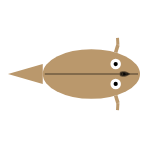
- Appendages: Their number, position, length, and shape determine how useful they are. Broad fins and paddles help in water, while narrow, supported limbs work better as legs. Long or numerous appendages need enough body support and room.
- Shell Width: Sets potential armour band width around the soft body. Stronger shells express more of that width as physical bulk and load, especially on larger creatures.
- Shell Strength: Makes the shell harder to crack and increases shell material density. Strong shells can fully block weak jaws, but they still add load and powerful adult predators can wear them down.
- Far Vision Distance and Angle: Vision range and width. A narrow field of view sees much further; a wide field of view covers more area but at shorter range.
- Mouth Size: How wide and far the mouth can reach. Bigger mouths make contact easier and help handle larger bites or prey, but plant, carcass, and live-prey value still depends on having the right mouth type.
- Mouth Type: Shifts the mouth from plant-cropping feeder to carrion-tearing scavenger to live-prey-gripping predator. Medium jaws can add scavenging help, but predator-leaning mouth types reduce that carrion bonus again.
- Jaw Strength: Bite force and visible jaw heft for cracking shells, increasing live-prey bite damage, shortening bite handling, and supporting carcass ripping. Strong jaws can push large mouths forward and add a little physical load.
- Plant/Meat Digestion Efficiency: Shapes how much digestive tissue is suited to each food and how quickly that food becomes usable energy. Mixed diets can use both paths, but need room and energy to maintain both.
- Stomach Size: Determines how much raw food can be stored before digestion and how much stomach tissue the body needs to fit.
- Body Colour: Determines how well the creature's pigments match plant food. Matching plant colours digest faster and provide more usable energy; poor matches return more energy as organic leftovers.
- Brain Capacity: Allows more complex decisions, but requires brain tissue and energy.
- Foraging, Threat, Social, and Memory Cognition: Guide what a larger brain specialises in, so similarly sized brains can evolve for different ecological challenges.
- Memory Capacity and Retention: How many useful food opportunities, mate locations, and predator locations the creature requests to remember, and how long those memories last. The first short memory is primitive; additional memory is advanced capacity that can be reduced when brain-space fit is limited.
- Fear Sensitivity, Mate Urgency, Exploration Bias, Risk Tolerance: Personality traits that shape how the brain weighs different drives — flee vs forage, explore vs rest, caution vs boldness.
- Maturation Tempo: Shifts development faster or slower relative to what the creature's body size and structural investment would otherwise require. Faster tempo favors earlier reproduction; slower tempo usually trades into both later maturity and a longer lifespan.
- Pregnancy Duration: Delays birth, spreads prenatal costs over time, and lets embryos develop further before birth, with larger broods starting smaller.
- Pregnancy Energy Investment: Extra prenatal body-building budget a female tries to pay across pregnancy, supporting more of the planned brood, more developed newborns, or extra starting reserve when enough energy is available.
- Brood Size Investment: Genetic investment in larger broods. The 1-100 score maps linearly to a 1-30 planned brood target, but larger broods split maternal carrying capacity into smaller newborns and limited birth energy can reduce actual births.
- Female/Male Investment Time In Offspring: Represents care and protection for young. It improves juvenile safety but delays the parent's next reproduction.
- Female/Male Investment Energy In Offspring: Sex-specific provisioning represents resources directed into offspring. Female energy investment is paid gradually through pregnancy as extra reserve, yolk, or early feeding support; male offspring energy is reserved at mating and becomes extra reserve for the babies that are born.
- Male Investment Time In Mate: Represents protecting or helping a mate, at the cost of waiting longer before breeding again.
- Male Investment Energy In Mate: Represents an immediate provisioning gift from the male to the female at mating, helping her survive pregnancy and sustain gestation costs.
- Mate Signal Frequency and Volume: How often the creature broadcasts mate-discovery signals and how far they travel. Louder, wider calls are easier to hear but cost more energy per broadcast; an established match can persist after the sound fades.
Creature Anatomy — How Visible Genes Change the Render
Every visual feature of a creature is gene-driven. These cards show the genes that visibly change the static render, with multiple examples for each so you can see the range from low to high or category to category. Other genes still matter, but they change behaviour, metabolism, memory, reproduction, or derived stats rather than the sprite itself.
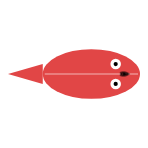 Red
Red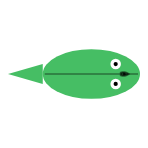 Green
Green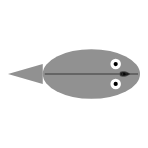 Grey
Grey Small
Small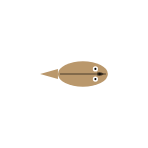 Mid
Mid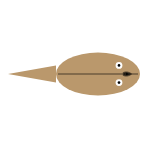 Large
Large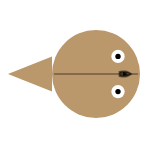 None
None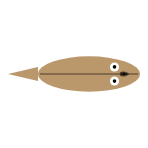 Mid
Mid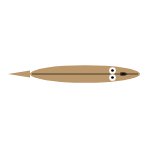 Full
Full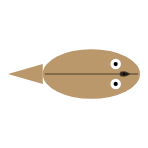 Low
Low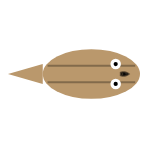 Mid
Mid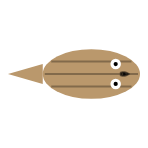 High
High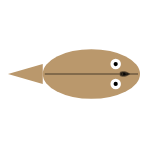 Low
Low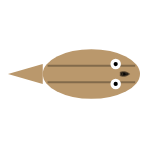 Mid
Mid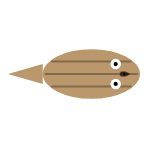 High
High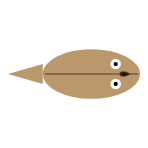 Low
Low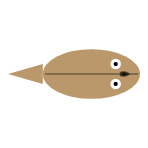 Mid
Mid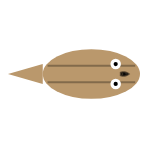 High
High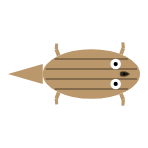 Strong Lean
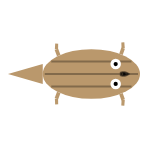 Balanced
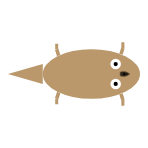 Underbuilt
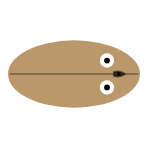 None
None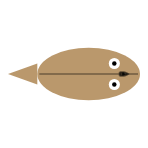 Short
Short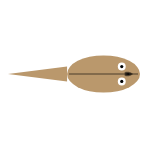 Long
Long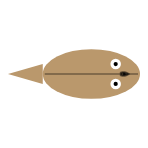 None
None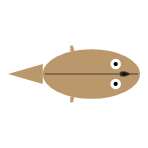 Weak
Weak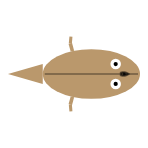 Strong
 Front
Front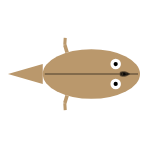 Rear
Rear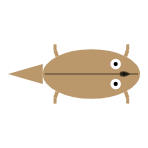 Long Field
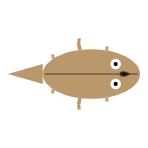 Tight
Tight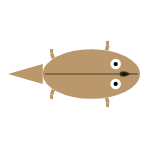 Mid
Mid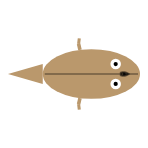 Wide
Wide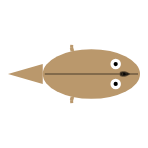 Even Short
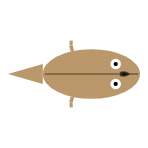 Front Long
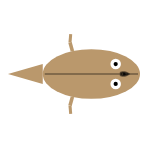 Rear Long
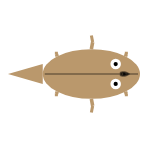 All Legs
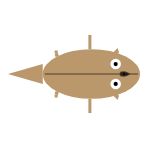 Front Fins
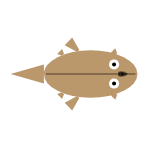 All Fins
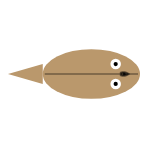 None
None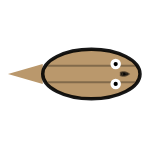 Mid
Mid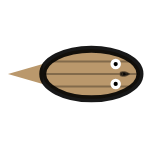 Thick
Thick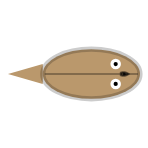 Weak
Weak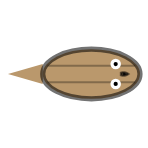 Mid
Mid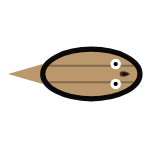 Strong
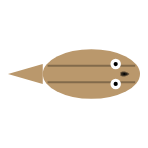 Small
Small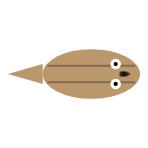 Mid
Mid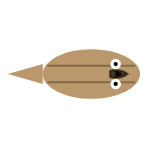 Large
Large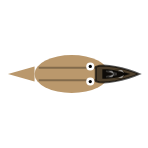 Weak
Weak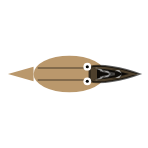 Mid
Mid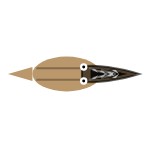 Strong
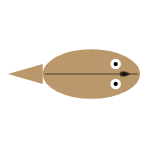 Small
Small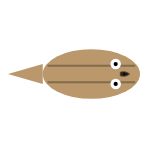 Mid
Mid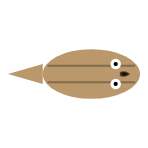 Large
Large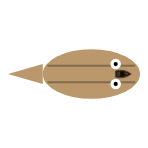 Herbivore
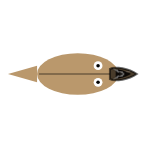 Scavenger
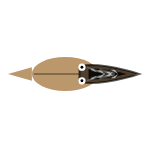 Predator
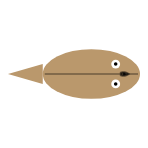 Small
Small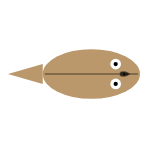 Mid
Mid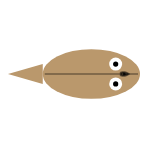 Large
Large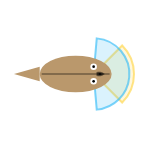 Short
Short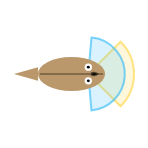 Mid
Mid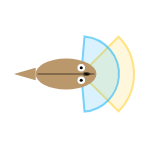 Far
Far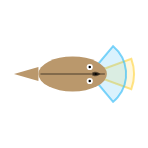 Narrow
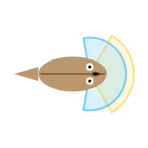 Mid
Mid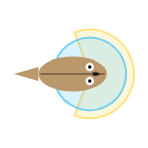 Wide
Wide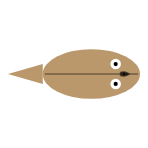 Female
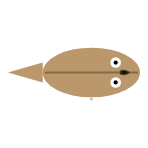 Male
Male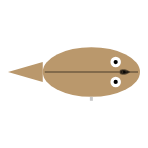 Low
Low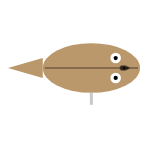 Mid
Mid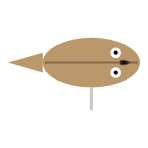 High
HighGenetics — Diploid Chromosomes, Crossover, and Mutation
Each creature carries paired chromosomes, with one set inherited from each parent. Crossover and mutation create new combinations for natural selection to act on.
Sex chromosomes determine whether a creature is female or male. Other chromosomes carry the genes that shape its body and behaviour; advanced users can rearrange them with Karyotype Templates.
During reproduction, crossover shuffles parts of the parents' chromosomes. This can produce new combinations even when no new mutation occurs.
Mutation adds further variation. Most changes are small, and many are neutral or harmful, but an advantageous change may spread when its carriers leave more descendants.
- Some alleles blend together, while dominant alleles can mask recessive ones. A hidden allele can therefore remain in a population and reappear in later generations.
- Genes on the same chromosome are more likely to travel together; genes on separate chromosomes mix more independently.
- Inherited genes work together to shape visible traits and abilities such as movement, metabolism, feeding, defence, and lifespan.
Speciation — How New Species Form
Speciation happens automatically when inherited changes carry a newborn beyond the normal variation of its family lineage.
Small mutations and ordinary variation can remain within a species. A new branch forms when inherited traits diverge strongly in one area of biology or several areas change together. Many different physical, ecological, behavioural, and reproductive changes can contribute to that divergence.
A newborn is compared with related species in its family tree using its inherited genetic differences. If it fits an existing parent or nearby branch, it joins the closest match; if no suitable relative fits, it starts a new branch under its ancestry rather than joining an unrelated look-alike.
New branches begin as emerging species. They may gather members before they can reproduce reliably as a lineage of their own, so establishment requires a balanced adult breeding population and a litter produced within the branch. Emerging species cannot yet produce nested descendants: a further split appears beside them under the nearest established ancestor.
An emerging species first appears with its founder's portrait and traits. When it becomes established, those public portraits and traits are refreshed from representative adults, making the Species Tree a better picture of the population that successfully established. This does not change where the species sits in the tree.
Open a species in the Species Tree to see its established traits. Traits marked with a star are specializations: coordinated adaptations that support a distinct strategy such as feeding, movement, defence, or reproduction. The expandable Population traits section is a historical snapshot from a large, well-sampled adult population, and each percentage means the share of those adults that displayed that trait. It may differ from the creatures still alive today.
Species names follow the tree: Alpha can produce Alpha.1 and Alpha.2, and an established Alpha.1 can later produce Alpha.1.1. Extinct and never-established branches remain visible, preserving the history of the run.
- A scavenger branch can remain closely related to a plant-feeding ancestor while separating mainly around diet; a shore lineage may instead split around appendages and land movement.
- Hybrid offspring first try to fit a species from either parent's lineage. If neither lineage fits, the hybrid can begin its own branch.
- Timeline events mark important moments such as a branch emerging, establishing, reproducing within its own species, developing traits, or going extinct.
The Neural Brain — How Creatures Think
Every creature has a small inherited brain that combines what it senses, what it remembers, and how its body feels to decide what to do.
The brain weighs hunger, stamina, nearby food, mates, predators, barriers, and remembered locations. It then favours foraging, fleeing, mating, wandering, or resting and guides the creature's movement.
Larger or more specialised brains can support more nuanced decisions, but brain tissue takes body space and consumes energy. In a food-poor environment, a simpler brain may be the better strategy.
- Internal state: hunger, stomach fullness, stamina, maturity, pregnancy, and recent exertion.
- Perception: visible food, prey, predators, mates, neighbours, and barriers.
- Memory: remembered opportunities and dangers, with confidence fading over time.
- Personality genes (fear sensitivity, mate urgency, exploration bias, risk tolerance) scale specific inputs and outputs, giving each creature a temperament.
- Cognition-specialisation genes decide which advanced processors come online first as brain capacity grows. This lets one lineage evolve into strong foragers while another of similar brain size becomes better at threat detection, social behaviour, or memory.
Brain View — Reading a Creature's Decisions
The selected-creature panel includes this live network view. Sensory and body-state signals are on the left, hidden brain processors are in the middle, and behaviour outputs are on the right. Cyan links and nodes indicate signals pushing behaviour forward; orange signals are suppressing or counteracting them. In this example, reserve need and stomach state keep food interest decisive, while surplus energy and a matched mate suppress some food steering and push mate-directed turning.
Brain Inheritance and Neuroevolution
Brains are inherited and mutated alongside body genes. A child's brain is bred from both parents' neural networks, creating heritable behaviour that evolves over generations.
A child's brain combines features from both parents and may mutate. This makes behaviour heritable while still allowing new strategies to appear.
Starter creatures begin with basic survival instincts, but evolution reshapes them. Over generations, lineages may become better foragers, more cautious prey, persistent explorers, or more effective mate seekers.
- More brain capacity can support complex decisions, but requires more tissue and energy.
- Brain behaviour is not pre-programmed per species. Two creatures of the same species may behave differently based on inherited brain weights.
- Every brain has basic survival abilities. Greater capacity can add stronger foraging, threat awareness, social behaviour, or memory.
- This means two creatures can both evolve larger brains without becoming smart in exactly the same way. One lineage might prioritise food-value evaluation and foraging, while another emphasises threat assessment, mate-signaling strategy, or memory.
- A creature with minimal brain capacity can forage, wander, seek mates, steer toward food and mates, and avoid barriers. Memory still requires memory capacity, while predator handling and more nuanced risk decisions require advanced brain units.
- Because brains and body genes co-evolve, a lineage that evolves better vision may simultaneously evolve brain wiring that better exploits that vision.
Creature Behaviour — The Four Drives
At any moment, each creature is in one of four behavioural states. The state is determined by the brain's strongest output drive. A separate rest drive can suppress pushing without becoming its own visible action state.
Creature Memory
Creatures can remember food opportunities, mates, and predators. Memory can improve survival, but requires brain space and energy.
Memories fade with time. Important or repeatedly seen places are remembered more strongly, while food memories are removed when the food is gone or cannot be reached.
Good memory can lead a creature back to productive food, toward a recent mate, or away from danger. Poor or outdated memory can waste time, so remembering more is not free.
- Memory capacity controls how many useful places or encounters can be remembered at once.
- Memory retention controls how long those memories remain useful.
- Memory has a metabolic cost through brain tissue demand, creating a trade-off between awareness, body space, and efficiency.
- Eaten, decayed, removed, or unreachable food is forgotten so creatures do not keep pursuing an obsolete target.
What to Expect — How Evolution Unfolds Over Time
Each simulation run produces different outcomes, but certain evolutionary patterns tend to emerge depending on the environment.
In the early generations, the population typically crashes as poorly adapted creatures starve or fail to reproduce. Survivors carry the genes and brain wiring that happened to work in the initial environment. Over time, you can expect to see several common evolutionary trajectories:
- Movement efficiency: Creatures evolve toward bodies that waste less energy. Streamlined tails suit swimmers, leg balance and body support shape walkers, longer supported legs can create longer strides, and muscle profile helps lineages pace effort and recovery. Early land lineages can survive through tail-assisted slithering before becoming stronger crawlers or walkers.
- Food colour specialisation: If one food colour dominates, creature body colour may drift toward that colour over generations, because colour-matched creatures digest that plant food faster and obtain more usable energy from it. Changing the food colour mix mid-simulation can cause rapid adaptation or mass extinction.
- Habitat specialisation: Some lineages remain aquatic, while others become shore dwellers, amphibious creatures, or land specialists with distinct ways of moving.
- Predator-prey arms race: As predators evolve, prey species face pressure to develop defences — larger bodies, heavier or tougher body plans, harder shells, higher fear sensitivity, faster flee responses, and better predator memory. Predators in turn may evolve stronger jaws, bigger mouths, better pursuit, sharper vision, and lower risk tolerance.
- Digestive niches: Some lineages specialise on particular plants, others scavenge or hunt, and generalists trade peak efficiency for flexibility.
- Scavenging niches: Carcasses can reward early meat-digestion mutations before a lineage is strong enough to hunt live prey. These lineages may evolve toward better scavenging, food-value awareness, and moderate jaws rather than all-in hunting.
- Shell evolution: When predation pressure is high, shell width and shell strength tend to increase, making creatures harder to bite. Strong wide armour adds bulk and load, reduces agility, and damaged shells require repair after attacks.
- Brain sophistication: Brain capacity may increase over time as smarter creatures make better foraging and predator-avoidance decisions. But brain neurons cost metabolic energy, so overly complex brains are penalised in lean environments.
- Reproductive strategy divergence: Some lineages evolve high parental investment (fewer, more developed or better-supported offspring), while others evolve low investment (many fragile offspring). Environmental stability tends to favour investment; chaotic environments favour quantity.
- Food scarcity adaptations: When food is scarce, evolution favours energy-efficient movement, lower energy needs, smaller body sizes, better endurance recovery, and wider foraging vision over raw speed.
- Speciation events: As related populations diverge, new species can branch and establish their own evolutionary path. The Species Tree shows that history.
How to Add a New Creature
The Spawn Creature panel lets you either create a brand-new species template or add more creatures from an existing species already in your library.
- Click Spawn Creature to create a new species or add creatures from one you already saved.
- Use the gene controls to shape a founder. Start with a few understandable traits—such as body size, colour, diet, or movement anatomy—and watch how their trade-offs play out.
- The Chromosomes view offers deeper control over inheritance and linkage for advanced experiments.
- A saved species preserves its founder design. During a run, mutation and inheritance can add new variation without changing that original template.
- To experiment with an existing saved species, select it and enter God Mode. This unlocks a temporary spawn-only chromosome/gene draft so you can introduce a specific trait into the population, add an unusual allele combination to the gene pool, and then watch to see whether that change spreads, survives only in a niche, or dies out.
- Exit God Mode to discard the experiment, or reset the controls to return to the saved founder design.
- Spawn Female or Spawn Male creates the creature you configured. Add Female or Add Male samples variation already present in that species' run population.
- You can add multiple species in the same simulation to create competition, predator–prey dynamics, or niche separation.
How to Adjust Simulation Settings
Simulation Settings let you tune food, genetics, and performance. Food controls include pellet size range, manual or automatic land and water production, colour mix, and carcass decay.
- Open Simulation Settings from the controls bar.
- Food, Genetics, and Performance each have their own tab. Food can be adjusted separately for land and water.
- Manual food gives direct control over production and abundance. Auto food responds to habitat size and crowding, making it a useful starting point for long-running simulations.
- Colour Mix changes which colours are common, while Size Mix changes the balance between small frequent meals and larger food sources.
- Colour Mix changes which body colours are rewarded. If red food becomes dominant, creatures that drift toward red body colour digest that plant food faster, obtain more usable energy, and are more likely to survive and reproduce.
- Carcass Decay Time controls how long carcasses and hunt remains stay useful after they appear. Longer decay creates more scavenging food and can support carrion-eating lineages; shorter decay makes remains a brief opportunity and keeps plant food more central.
- Mutation Chance controls how often body genes change in future offspring. Mutation Size controls how large those changes tend to be. Higher settings create faster, less predictable evolution and more harmful as well as helpful variation.
- All changes stay local until you click Apply at the bottom of the panel. Cancel restores the last applied settings.
- Reset controls restore the relevant settings to their defaults. Changes take effect only after you click Apply.
- Reducing Manual Food Rate or Max Food Items creates scarcity for the surface. Shifting the Size Mix toward larger or smaller pellets changes which foragers benefit from the food supply and how common each pellet size becomes.
- Changing the colour mix shifts which body colours are advantageous. A sudden shift toward red food will pressure creatures to evolve red body colour over generations.
- Setting a habitat's manual food to zero creates severe scarcity. Switching back to Auto restores an adaptive supply.
- Extreme settings can cause extinction events — intentional or accidental. These can be interesting evolutionary experiments.
Simulation Controls
The toolbar provides controls for managing the simulation's speed, camera, and visual display.
- Start / Restart: Opens the habitat picker so you can choose the starting world before launching a fresh simulation.
- Saved Simulations: Opens the saved-simulation panel so you can load a previous run, replace one with a new simulation, or delete one to free a slot.
- Pause / Resume: Freezes all simulation logic. The simulation also auto-pauses when you switch browser tabs.
- Speed Toggle: Choose Auto Speed or a manual speed from 1× to 10×. Auto finds a smooth speed for your device; manual mode aims for the speed you select.
- Zoom +/−: Adjusts the camera zoom from 0.25× to 2.0×. You can also zoom with Ctrl/Cmd + scroll wheel.
- Toggle FOV (Field of View): Shows or hides the vision cones for all creatures. Useful for understanding what each creature can see, but performance-heavy with large populations.
- Toggle Action Dots: Shows or hides the current-action dot on each creature. The dot is colour-coded by behaviour: red = flee, orange = forage, green = mate, yellow = wander, blue = rest, purple = pregnant.
- Click a creature: Opens the Selected Creature Panel showing full inspection data — all genes (maternal, paternal, expressed), current drives, brain stats, memory, children, family species, reproduction state, compatible mate controls, calculated phenotype values, and more.
Saving and Loading Simulations
The simulator keeps local rolling saves so you can come back later and continue a run with its world state, creatures, and analysis history intact.
- Up to 3 saved simulations are kept locally in your browser at once.
- Each simulation uses a single rolling autosave slot. As that run continues, new autosaves overwrite that run's previous autosave rather than creating extra save files.
- Autosaves happen every 2 minutes of real time, and also when the simulation is paused manually, when the tab is hidden, when the page is being left, and before loading or restarting into another run.
- Loading a saved simulation restores its creatures, food, islands, species history, graphs, and runtime settings, then opens it in a paused state so you can inspect it before continuing.
- Starting a brand-new simulation uses a save slot. If all 3 slots are already occupied, Saved Simulations can replace an existing run with a new one or you can delete a run first.
- Saved simulations live only on this device and in this browser. They are not synced to a server or account.
Graphs, Stats, and Data Analysis
The Data Analysis modal provides several views for tracking evolutionary trends and population dynamics.
- Population Graph: Shows population count over time, broken down by species. It also compares births to creatures reaching adulthood, making survival through childhood visible.
- Trait Values Over Time: Displays the spread of expressed trait values across recorded populations. See whether a trait is converging under selection or staying broadly distributed.
- Expressed Trait Correlations: Shows correlations between pairs of expressed traits across recorded populations. Blue means positive correlation, red means negative correlation, and white means little or no correlation.
- Trait Profile & Run Allele Pool: Compares average expressed trait values across species and lists the allele variants known in the active run. Selecting a trait uses recorded allele snapshots to show its historical allele detail.
- Allele History: A historical series of allele frequency, hidden carriers for dominant/recessive loci, and allele value drift. It is built only from allele snapshots recorded while the species has a living population; it is not reconstructed from the current allele pool when older history is missing.
- Value Mutation Analysis: Summarises which expressed traits are mutating most often, in which direction, and by how much. Useful for spotting where variation is entering the population and whether change is balanced or biased.
- Species Tree: A phylogenetic tree showing how species have branched over time. Select a species to see its portraits and defining traits, then expand Population traits to compare them with a historical snapshot from a large, well-sampled adult population. The percentage beside a population trait is the share of sampled adults that displayed it.
- Selected Creature Panel: Click any creature to inspect its full genetic profile, brain state, current drives, children, parentage, species origin, current compatible mates, and all calculated phenotype values. You can also view the creature's thought process in real time through the live brain visualisation.
- Historical graphs are built from regular population records. Allele history begins once a living species has been recorded, so older periods from before that history existed may be empty.
Karyotype Templates — Chromosome Structure
The Karyotype Templates editor lets you control the chromosome structure — which genes sit on which chromosomes and how they are linked during inheritance.
Karyotype templates are optional shortcuts: you can use one to start a species layout, or ignore them and edit chromosomes directly in the species builder.
Genes on the same chromosome tend to be inherited together, while genes on separate chromosomes mix more independently. Placing a gene on a sex chromosome also changes which offspring can inherit it.
Changing the karyotype lets advanced users test how chromosome linkage preserves or breaks apart useful combinations over generations.
↑ Back to topGetting Started — Your First Experiment
The easiest way to enjoy the simulator is to treat each run like an evolutionary experiment. Here is a suggested first session:
- 1. Click Start Simulation, choose a starting habitat, and launch the world.
- 2. Click Spawn Creature to create your first species. Try the starter chromosome/gene values or adjust a few — body size, colour, and diet efficiency are good starting points.
- 3. Watch the founding population for a minute. Are they finding food? Are they surviving?
- 4. Open Simulation Settings and experiment: try Manual food totals and the Size Mix tab to see how scarcity and pellet size change behaviour, or use Colour Mix to pressure colour adaptation. Auto Food is useful for long runs where you want uncrowded habitats to stay well supplied while crowded habitats cool down.
- 5. Add a second species with different genes to compare. Make one a water specialist (high tail, few narrow appendages, streamlined) and another a land specialist (rear-weighted leg-like appendages for push, front control appendages, low streamlining).
- 6. Open Data Analysis to watch population graphs, gene distributions, and the species tree.
- 7. Toggle FOV visibility to see what creatures are perceiving. Toggle Action Dots to read behaviour at a glance.
- 8. Click individual creatures to inspect their genes, brain drives, memory, and family tree.
- 9. Speed up the simulation (2×) for longer experiments and watch speciation events emerge in the species tree.
- 10. Evolution takes time. Let the simulation run, then come back 30 minutes later to see how the population, species tree, and gene distributions have changed.
- 11. Try creating a predator or scavenger species. Moderate meat digestion and enough meat stomach capacity can make carcass feeding useful, but live hunting needs attack anatomy too: predator-shaped mouths, larger gape, strong jaws, enough bite damage, and prey size handling. Moderate mouths suit scavenging, while larger mouths and stronger jaws help with live prey.
- 12. Keep in mind that the simulation stops running when your screen locks. If you want to leave it running for a while, increase your computer or mobile device's screen-lock delay first.
Glossary
Key terms used in the simulation.
- Allele: One version of a gene. A creature can carry two versions, one inherited from each parent.
- Autosome: A non-sex chromosome. Carries most body, behaviour, and survival genes.
- Body Composition: The selected creature panel's split of total area into shell plus soft-body tissues: structural, muscle, fat, organ, brain, and body fluid.
- Calculated Phenotype: The abilities and characteristics produced by several genes working together, such as movement strength, metabolism, and lifespan.
- Carcass: A temporary meat resource left by some deaths. It shrinks as scavengers feed and loses value as it decays.
- Compatible Mate: A living opposite-sex creature that both sides can currently consider for reproduction. Compatibility includes adulthood, mating readiness, pregnancy state, and species lineage, including hybrid lineages with a shared recorded parent species.
- Crossover: The exchange of gene segments between homologous chromosomes during gamete formation. Creates new combinations of existing alleles.
- Diploid: Having two copies of each chromosome — one from each parent. All creatures in this simulation are diploid.
- Dominant/Recessive: An inheritance pattern in which a dominant allele can mask a recessive one.
- Additive Inheritance: An inheritance pattern in which the versions from both parents blend together.
- Expressed Gene: The final gene value after combining maternal and paternal alleles via the inheritance rule.
- Founder Chromosomes: The original inherited design saved with a species template.
- Creature View: The spawn view used to configure and preview an individual creature.
- FOV (Field of View): The angular width and distance of a creature's vision cone. Controls what the creature can see.
- Gamete: A haploid cell (one chromosome from each pair) produced during reproduction. Egg or sperm equivalent.
- Genetic Distance: A measure used to decide which related species best fits a newborn. Strong divergence in a biological trait area, rather than minor drift scattered everywhere, is what creates a new branch.
- Genotype: The creature's full set of chromosome pairs carrying all alleles.
- Hemizygous: A gene present on only one chromosome (e.g., X-linked genes in XY males). Expressed directly without averaging.
- Homologous Pair: Two copies of the same chromosome, one from each parent.
- Hybrid Parentage: A creature whose recorded mother and father belong to different species. It may still fit one parent lineage, or become a new hybrid-derived species if neither parent lineage fits.
- Provisional Allele: A newly observed gene variant that has not yet been seen repeatedly in the species.
- Hunger: The creature's usable energy reserve. It depletes via metabolism and movement, is refilled by digesting stomach contents, and causes starvation death at zero.
- Jaw Strength: Bite force and visible jaw heft used for cracking shell defences, ripping carcasses, making live-prey bites more dangerous, shortening chew time, and adding tooth cues on meat-adapted mouths. Strong jaws add a little physical load.
- Karyotype: The chromosome structure defining how genes are organised and linked.
- Karyotype Template: A reusable chromosome-layout preset. Choosing one copies its layout into a species; species are not linked back to templates after creation.
- Matched Mate: A chosen reproductive target created from recent mate signaling. The match can continue after the original call fades, but it ends if either creature becomes unavailable, pregnant, incompatible, inactive, or not ready to breed.
- Mate Signal: A short-lived broadcast used for mate discovery. Signal volume and body size set how far it travels, frequency sets how often calls are made, and each call costs energy.
- Muscle Mass: Active tissue investment. More expressed muscle increases movement power and stamina capacity, but also raises upkeep and body load.
- Muscle Profile: The general, fast-twitch, and endurance muscle genes split existing muscle tissue between balanced power, burst force, and cheaper repeated effort.
- Organ Tissue: Adaptive body-system investment above core organs. More adaptive organ tissue supports stamina recovery, while adding living mass and upkeep.
- Organic Leftovers: Food energy a creature could not use that returns to the world for other creatures to eat.
- Relative Metabolic Intensity: How costly a creature's body plan is to maintain for its size.
- Baseline Metabolism: The energy a creature spends simply staying alive, before movement, growth, or reproduction.
- Mutation: A random change to an allele value during gamete formation. Mutation preserves the allele's symbol, expression mode, and any dominant/recessive rank.
- Mouth Type: The feeding shape of the mouth, ranging from plant-cropping through carrion-tearing to live-prey-gripping.
- Neuroevolution: The process of evolving neural-network brains through inheritance and mutation across generations.
- Phenotype: The body, abilities, and behaviour produced by the creature's inherited genes.
- Selection Pressure: Environmental factors (food scarcity, predation, habitat) that cause some traits to be favoured over others.
- Shell Integrity: Current shell durability. It can be damaged by predator bites and repaired when the creature has enough energy.
- Speciation: The formation of a new branch when an offspring no longer fits the normal inherited variation of its family lineage. A strong change in one biological area, or coordinated changes across several areas, can define the split.
- Species Tree: A visual phylogenetic diagram showing how species have branched from common ancestors.
- Stamina: Short-term capacity for exertion. It is spent during movement and restored through rest and recovery.
- Stomach: Raw undigested food storage. Plant food, carcass bites, and live-kill meat enter the stomach before becoming usable reserve energy through digestion.
- Stomach Size: How much undigested food a creature can carry at once.
- Structural Tissue: Dense frame tissue that improves load support and toughness, but adds mass without directly creating push.
- Fat Stores: Low-upkeep reserve tissue investment that improves energy reserve capacity and survival through lean periods, while adding mass that must be moved. Thicker fat also insulates thermal metabolism, especially for swimmer-shaped bodies.
- Streamlining: Body elongation that helps swimmers slip through water more easily, though visible appendages and bulky bodies can still slow swimming. It also sacrifices tight turning, especially on land.
- Appendage Field: The body region that can produce paired appendages. Field center, span, spacing, and bud signal decide where appendages appear and how many functional pairs develop.
- Appendage Shape: Length and surface genes shape each appendage from narrow leg-like limbs toward broader fins, flippers, or paddles. Front and rear appendages can evolve different shapes.
Frequently Asked Questions
What is Tidepool?
Tidepool is an artificial life simulator where creatures with neural-network brains survive, eat, hunt, scavenge, mate, mutate, and evolve over generations. Each creature has 59 heritable genes on diploid chromosomes, a physically simulated body, and a small neural brain that controls all behaviour.
Is Tidepool free and browser-based?
Yes. Tidepool runs directly in a modern web browser and the simulator is free to use. There is no separate app install required to start a simulation.
Do I need to install anything to use Tidepool?
No. You can open Tidepool in your browser and start using it immediately. Saved simulations are stored locally in your browser on that device.
What makes Tidepool different from other evolution simulators?
Tidepool combines diploid genetics, chromosome linkage, crossover, mutation, neural-network brains, food-colour ecology, scavenging, predation, and speciation in one real-time browser simulation. Creatures are not driven by fixed scripts — their bodies and behaviour both evolve over generations.
How do creatures evolve?
Creatures inherit genes and brain wiring from both parents through diploid chromosomes with crossover. Mutations introduce variation each generation. Natural selection rewards lineages that survive long enough to reproduce — better ecological fit means more descendants.
What do genes control?
59 genes shape the creature's body, movement, senses, diet, colour, brain, temperament, defence, and reproduction. Most abilities depend on several genes working together, so changing one trait can create benefits and costs elsewhere.
What does body composition mean in the creature panel?
Body Composition shows how the creature's limited body space is divided between armour, structure, muscle, fat, organs, brain, and body fluid. These tissues support different abilities and all add weight or upkeep. A creature that invests heavily in one area has less room and energy for others.
How do creature brains work?
Each creature's brain weighs its hunger, stamina, senses, memories, and nearby creatures before choosing whether to forage, flee, mate, wander, or rest. Brains are inherited and mutate, so behaviour evolves alongside the body. Larger or more specialised brains can make better decisions, but cost body space and energy.
Are creature behaviours scripted or evolved?
Creature behaviour is evolved, not hand-scripted per species. Each creature's neural brain inherits structure from its parents, mutates over generations, and responds to sensory input, internal state, and memory in real time.
Why is one offspring behaving strangely, like spinning or not finding food?
That can happen when inheritance produces an unlucky combination of body traits or brain wiring. Mutations are raw biological variation, not automatic improvements: a body change might make movement, turning, metabolism, or sensing less effective, while a neural mutation can disrupt how the creature weighs food, danger, rest, and steering signals. Many real evolutionary variants are neutral or harmful. Natural selection works because poorly adapted individuals usually survive or reproduce less often, while useful combinations are more likely to leave descendants.
How does food colour matching work?
A creature digests plant food closest to its body colour faster and gains more usable energy from it. Other colours remain edible, but more of their energy becomes organic leftovers that return to the ecosystem. This can favour colour specialists while still allowing generalists to survive.
How does speciation work?
When a newborn no longer fits the normal inherited variation of a related species, it can begin a new branch. Strong change in one area of biology, or coordinated change across several areas, can cause the split. The newborn first joins the closest related species that still fits; when none does, the new branch appears as emerging. It becomes established after building a balanced adult breeding population and producing a litter within its own species. At establishment, its public portraits and traits are refreshed from representative adults. You can follow emerging, established, extinct, and never-established branches in the Species Tree.
What are karyotypes in this simulator?
Karyotype Templates are reusable chromosome layouts for advanced genetics experiments. Genes on the same chromosome tend to be inherited together, while genes on separate chromosomes mix more independently. Sex chromosomes also change which offspring can inherit a gene.
How do I add a species?
Click Spawn Creature in the toolbar. For a brand-new species, choose Create New Species, set starting chromosome-aware gene and allele values, and save it as a species template with its own founder chromosomes and founder-derived allele summary. For an existing saved species, you can enter God Mode to run controlled genetics experiments: introduce a specific chromosome, allele, or gene variation, add unusual individuals to the population, and watch whether that change spreads or dies out without changing the saved species template.
Can I design custom species and custom karyotypes?
Yes. You can create custom species templates by setting chromosome-aware gene values manually, and you can edit Karyotype Templates to reuse chromosome layouts. Species own their copied chromosome layout after creation, so template changes do not rewrite existing species.
How do juveniles grow and reach adulthood?
Newborn creatures can begin life at different levels of development depending on gestation energy and maternal birth-size limits. Juveniles then grow over time toward their adult body size and capabilities. The time it takes to reach adulthood is derived from body size, then shifted by maturation tempo, so larger lineages usually stay juvenile longer unless they evolve a faster pace of development. That same life-history pace also feeds into lifespan, so slower-developing lineages generally live longer overall.
How does brood size work?
Brood size creates a quantity-versus-quality trade-off. Larger broods produce more young, but the mother's space and energy are divided between them, so they tend to begin smaller and with fewer reserves. If the pregnancy cannot support every planned offspring, fewer are born.
What can I change in the environment?
Simulation Settings let you control land and water food separately, including abundance, food size, and colour mix. You can also change how long carcasses last, the mutation rate and size, and performance settings. These choices change the ecological pressures that shape evolution.
What do Auto Food and Auto Speed do?
Auto Food adjusts land and water supplies to habitat size and crowding. Auto Speed chooses the fastest simulation pace your device can run smoothly. Both are useful defaults for long experiments, while manual controls give you more direct experimental pressure.
Can I change mutation rate?
Yes. In Simulation Settings > Genetics you can change Mutation Chance and Mutation Size Multiplier for future births. Higher Mutation Chance means offspring are more likely to inherit new body-gene mutations, increasing variation and often speeding adaptation, but also raising the risk of harmful mutations. Higher Mutation Size Multiplier makes those mutations larger on average, which can speed divergence and speciation, but also makes poorly adapted offspring more likely.
How does predation work?
Hunting requires meat digestion, a mouth suited to gripping prey, enough reach, and jaws strong enough to cause damage or crack armour. Predators must catch and bite prey repeatedly. Meat from a kill still has to be digested, and remains may feed scavengers.
What are carcasses and scavengers?
Some deaths and unfinished kills leave temporary remains. Scavengers with suitable mouths and meat digestion can feed on them before they decay. This creates a feeding niche between plant eating and active hunting.
How do shells protect prey?
Shells provide durability and strength. A shell can fully stop a predator whose Max Shell Strength Can Crack is not above the prey's Shell Strength To Crack. If a predator can crack the shell, bites damage shell integrity first before body bites become dangerous. Strong adult predators can still wear down even heavy shells. Well-fed creatures can repair damaged shells, but armour adds bulk, load, and turning limits.
What do the coloured dots on creatures mean?
The dot shows the creature's current brain-driven action: red = flee, orange = forage, green = mate, yellow = wander, blue = rest, purple = pregnant. The selected creature panel also shows whether mating intent is active, plus energy reserve, stomach/digestion, and stamina details.
How does creature memory work?
Creatures remember food opportunities, mates, and predators they have seen. Food memories can be plant food, carcasses, or edible prey depending on what the creature can use. Memory capacity and retention duration are gene-controlled, but dead, eaten, removed, and unreachable food targets are automatically purged. Remaining memories feed into the brain as inputs, helping creatures navigate to remembered meals and mates, and away from dangers. Memory has a metabolic cost.
What data and graphs are available?
Data Analysis lets you follow population changes, survival to adulthood, trait trends and correlations, mutation, allele history, and branching species. Click a creature for a closer look at its body, genes, brain, memory, diet, and family. Historical views begin when their population records are first captured.
What can I actually observe changing over time in a run?
Over time you can watch populations rise and fall, species branch into new lineages, body shapes and colours shift, scavenger and predator-prey dynamics emerge, shell defences change, and evolved behaviours adapt to the environment. The graphs and species tree make these long-term changes easier to inspect.
How do saved simulations work?
The simulator keeps up to 3 local saved runs in your browser. Each run has one rolling autosave that is updated as the simulation continues, so ongoing autosaves replace that run's previous save instead of creating extra slots. Autosaves happen every 2 minutes of real time and on important lifecycle moments like pausing, tab hide, page hide, restart, or loading another run. If all 3 slots are full, you can replace an existing run with a new simulation from Saved Simulations or delete a run first.
Running Longer Experiments
- Switching tabs pauses the simulation: This keeps the run accurate when the browser reduces activity in a background tab.
- Use a separate window: To let a long experiment continue while you browse, leave Tidepool visible in its own browser window. The Info page opens separately for this reason.